
Reverse Logistics
Turn Returns Into Higher Revenue
Increase recoveries to upwards of 75% instead of the industry average of 10%.
STARTING TODAY
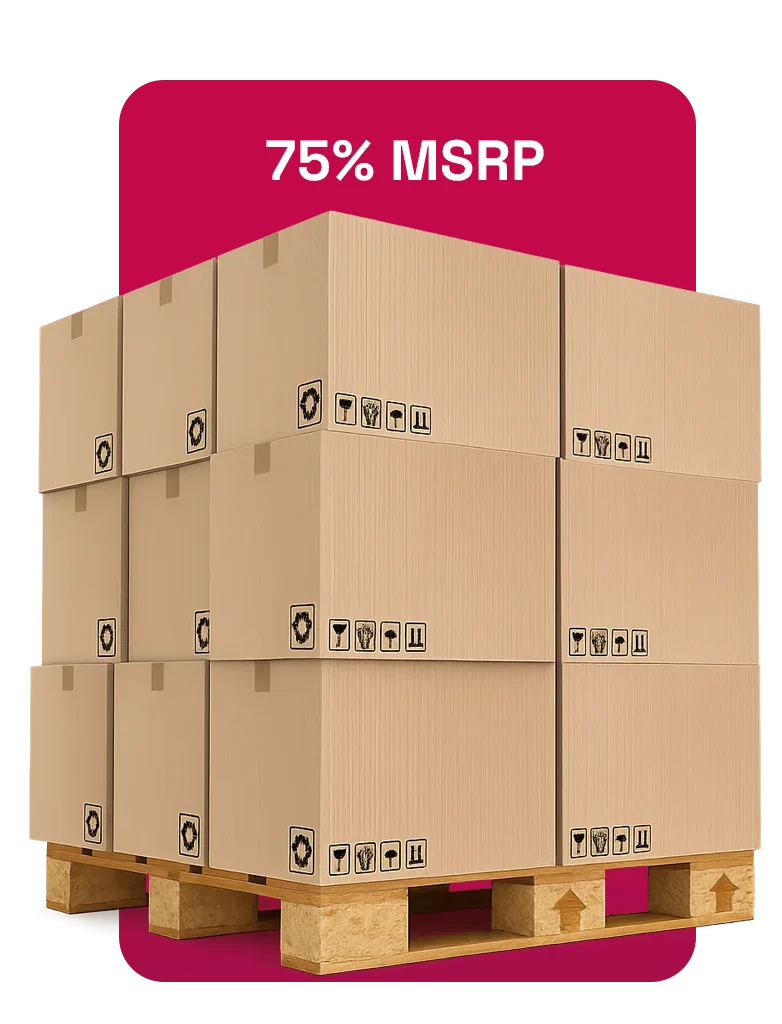
Liquidation is the last option – DM's approach should be your first.
Why do all your returns end up here?
Today, returns come from everywhere —
and they all land on your desk as one giant problem to solve.
What’s damaged?
What can be repaired?
Should this item have even been shipped back?
The fastest path is usually the simplest one:
Put it all in a gaylord.
Build the best manifest you can.
Send it to liquidation.
You recover 10% of retail — if you’re lucky.
And the problem disappears.
But so does the value.
And this is where most companies think the story ends.
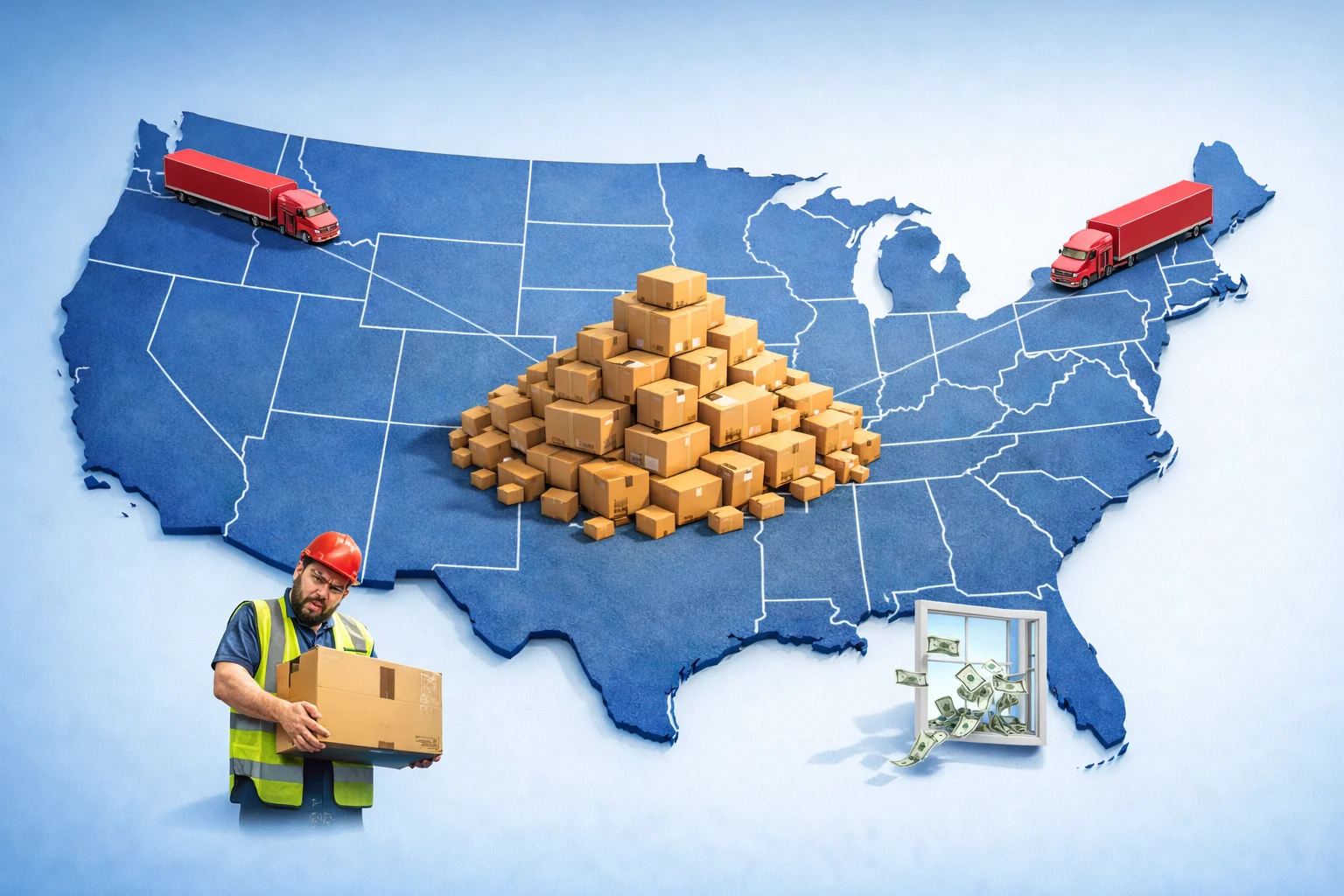
This is what your returns actually look like
You paid to ship back returns that never should have come back in the first place — because the freight cost more than you’ll ever recover in liquidation.
You paid labor to receive, sort, and process them — even though that cost exceeds what they’re worth on a pallet.
Add those costs together, and that “10% recovery” quietly becomes 0%.
Sometimes worse.
Liquidation didn’t lose you money.
The miles and labor did.

The Hyperlocal Recovery Model
If shipping costs more than the product is worth
→ We keep it in market. Donate. Recycle. Redeploy.
No freight. No labor. No loss.
If shipping costs less than the product is worth
→ We route it to the right recovery center. Refurbish. Recommerce. Resell.
Recovery: 50–75% of MSRP instead of 10% liquidation.
Increase recovery. Lower costs.
Make an impact that makes a real difference.
When you partner with DM, you get:
 An easy-to-implement solution
A customer experience that exceeds expectations
All logistics handled from the customer – full visibility
Significantly higher product recovery
Drastically lower logistics costs
No commitment. No obligation. Just clarity.


 DM is part of the Evans Network of Companies